Warehousing – what it is and what it involves
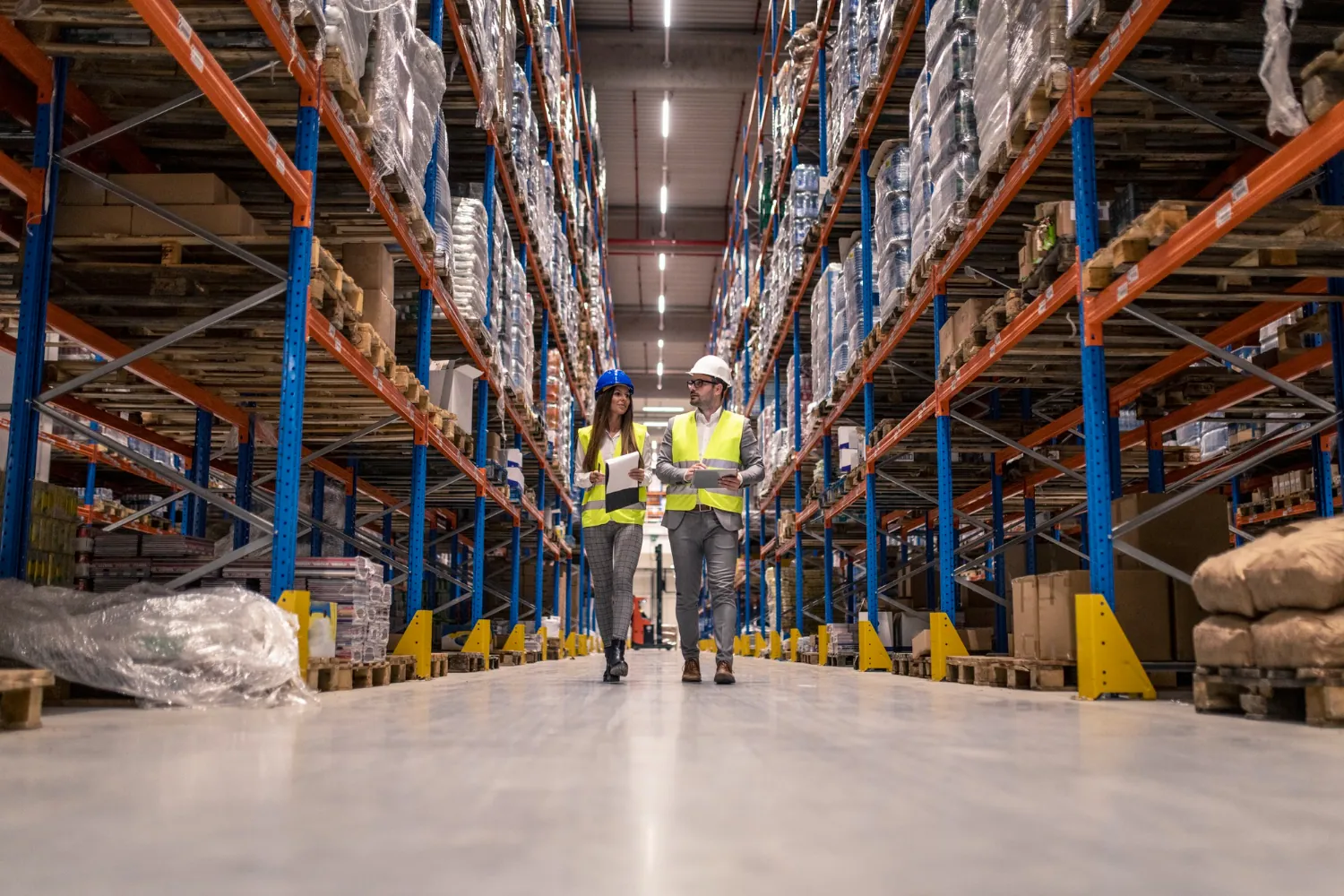
Warehousing is a comprehensive inventory management process that includes receiving, storing, controlling and distributing goods. It involves keeping goods in suitably adapted places in order to protect them and keep them in good condition, while ensuring they are available at the right time.
Functions of warehouses
Warehouses perform several key functions within the warehousing process:
- storage – providing a safe and suitable place to store loads,
- protection – securing goods against damage, theft and adverse weather conditions,
- inventory control – tracking the quantity and condition of the goods in the warehouse,
- distribution – efficient order preparation and dispatch of goods to customers,
- production support – ensuring continuity of supply of the materials needed for the production process.
Classification of warehouses
Warehouses can be classified in many different ways. Let’s compare the individual types of warehouse designed to store specific goods.
Types of warehouses by construction
Open warehouses
Intended for storing goods that do not require special protection from the weather. These are usually fenced storage yards or container terminals with a solid hardened surface (concrete or asphalt). They are ideal for storing goods such as timber, ceramic, steel and cast-iron products, and building materials. An open warehouse provides the necessary protection for products while offering easy access and minimal operating costs.
Semi-open warehouses
Equipped with a roof and two or three walls (with one side always left open), they are intended for storing goods that need a supply of fresh air but are not resistant to all weather conditions. Semi-open warehouses usually take the form of storage sheds and are used to store, for example, cement.
Closed warehouses
Closed warehouses are dedicated to storing products that, for various reasons, cannot be stored more economically. These solid warehouse facilities are built from durable construction elements and are often equipped with advanced cooling and ventilation systems. Closed warehouses include silos, closed tanks and warehouse buildings.
Types of warehouses by storage height
Low-bay warehouses
Intended for storing loads at a height of no more than 4.2 metres.
Medium-bay warehouses
Allow goods to be stored at heights of 4.2 to 7.2 metres.
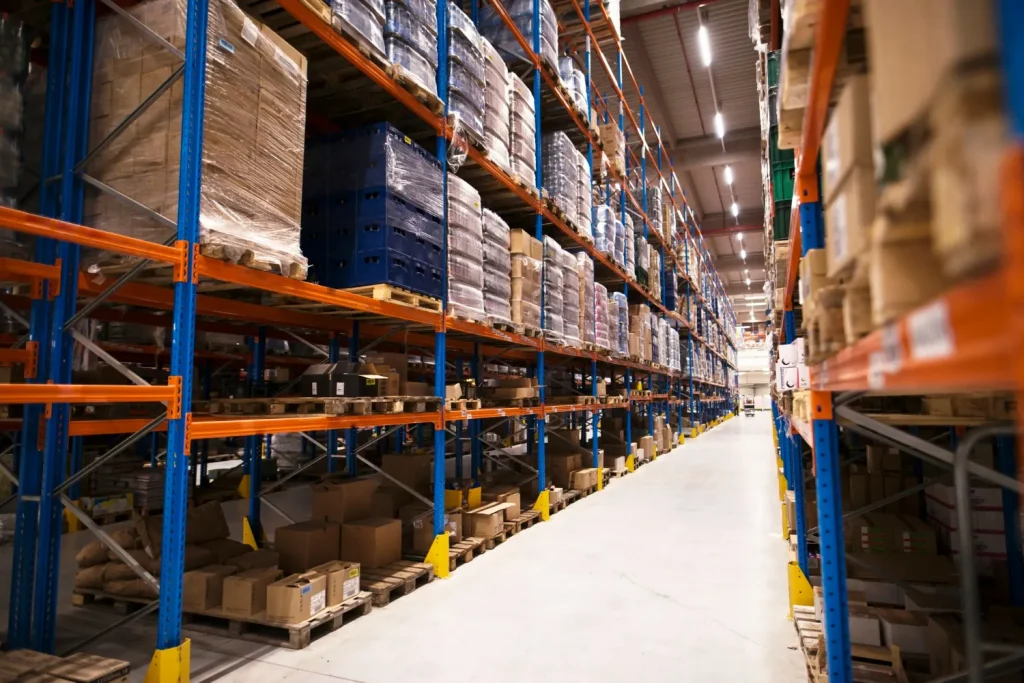
High-bay warehouses
Allow goods to be stored at heights above 7.2 metres. This type of warehouse is operated with special equipment (high-reach forklift trucks).
Types of warehouses by function
Production warehouse
Production warehouses serve as storage for the raw materials, components and semi-finished products needed for the production process. Their main purpose is to minimise downtime on the production line by ensuring continuous access to the necessary materials. In addition, these warehouses often also store finished products awaiting further stages of production or dispatch.
Distribution warehouse
Distribution warehouses are specially adapted places where goods are collected, organised and prepared for delivery to customers or retail outlets. They play a key role in the supply chain, enabling efficient distribution of products across the area they serve.
Transhipment warehouse
Transhipment warehouses, also known as transit warehouses, are places intended for the temporary storage of goods on their journey between point A and point B. They are an important element of the supply chain, allowing products to be stored for a short time during transport. They are usually located near major transport routes, such as ports, airports or logistics hubs.
Industrial warehouse
An industrial warehouse is a facility for storing a variety of materials, parts, tools and finished products within the production process. It is where the items needed for industrial production are stored, such as raw materials, components and partly finished products. Industrial warehouses are usually located close to production plants, which makes inventory management more efficient and allows the necessary materials to be delivered quickly to the production lines.
Supply warehouse
Supply warehouses are facilities for storing goods until orders for them are received.
Bonded warehouse
A place where goods are stored, usually pending customs clearance or taxation. Products are stored under strict customs supervision governed by law.
Consignment warehouse
A warehouse in which a supplier places its goods, but they remain the supplier’s property until they are sold to the customer. In a consignment warehouse the supplier retains control of the goods, and payment is made only when the goods are sold and leave the warehouse.
Container warehouse
Container warehouses are intended for storing containers and are usually located near ports or container terminals, where sea or container transport takes place. Their purpose is to ensure effective management of the flow of containers and to provide a safe, secure place to store them before or after transport.
Classification of warehouses by degree of mechanisation
Non-mechanised warehouses
Operated mainly by workers using manual labour, without advanced mechanical systems.
Mechanised warehouses
Equipped with partial mechanisation systems, such as conveyors that make moving goods easier.
Automated warehouses
Based mainly on advanced automation technologies, using robots, sorting systems and other equipment to handle and move goods without human involvement.
Types of warehouses by area of operation
Central warehouses
Warehouses that serve as the main distribution centre. They usually receive the largest quantities of goods from various locations – both domestic and foreign.
Regional warehouses
They act as transhipment points, allowing goods to be moved between plant warehouses and dispatch warehouses.
Plant warehouses
Located on the premises of factories or manufacturing companies. This method of storage is used to hold products at various stages of production, facilitating assembly and production processes.
Dispatch warehouses
They serve specific sales regions, collecting products ready for dispatch to end customers.
Classification of warehouses by type of material stored
Warehouses for unit loads
Intended for storing and handling goods arranged on euro pallets or other carriers, such as cartons, baskets or containers.
Warehouses for bulk goods
Intended for storing bulk materials such as grain, sand, salt, etc. These stocks are usually held in loose form, e.g. in silos.
Warehouses for gases and liquids
Large industrial tanks for storing gases or liquids, such as propane, oils, chemicals, etc.
Special warehouses
Special warehouses are intended for storing specific goods under optimal conditions. They include fuel depots, cold stores and fruit stores. Each type of warehouse requires appropriate equipment for storing and moving goods.
Types of warehouses by access to unit loads
Warehouses with direct access
In such warehouses unit loads are easily accessible to warehouse staff. Goods are stored in a way that allows direct identification and picking, which speeds up order picking.
Warehouses without direct access
Warehouses where access to unit loads is not direct. They are used where maximising the use of space inside the building is important.
Warehousing services Czechowice-Dziedzice
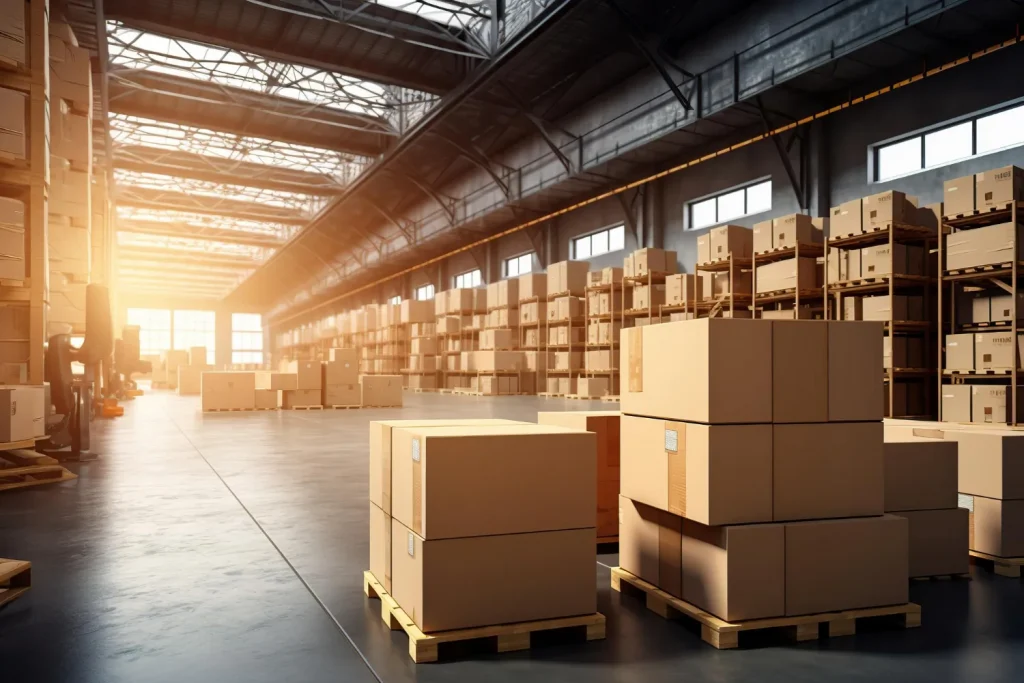
We have a warehouse in Czechowice-Dziedzice and one in Istanbul, both of which function as bonded warehouses. Our facilities are temporary storage warehouses, where we hold shipments while all the necessary procedures are completed. They are constantly monitored and under the supervision of the Customs Office.
Functions of the Kontur Polska warehouses:
- transhipment terminal – for groupage shipments,
- a place for packaging shipments before transport,
- a place for the temporary storage of goods.
Types of warehouses – summary
As you can see, the classification of warehouses varies in many respects, such as function, construction, area of operation and the type of materials stored. All these types of warehouse perform different functions in the supply chain and are adapted to the specific nature of the goods stored and the operational requirements of businesses. Knowing these differences, companies can manage their inventory effectively, optimise logistics processes and increase their competitiveness on the market.