Spis treści
The transport process – what is it?
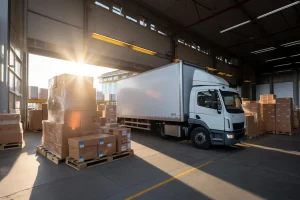
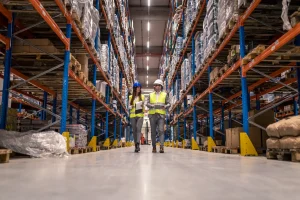
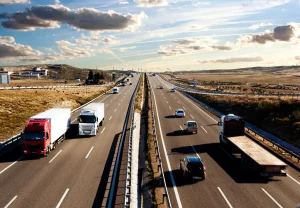
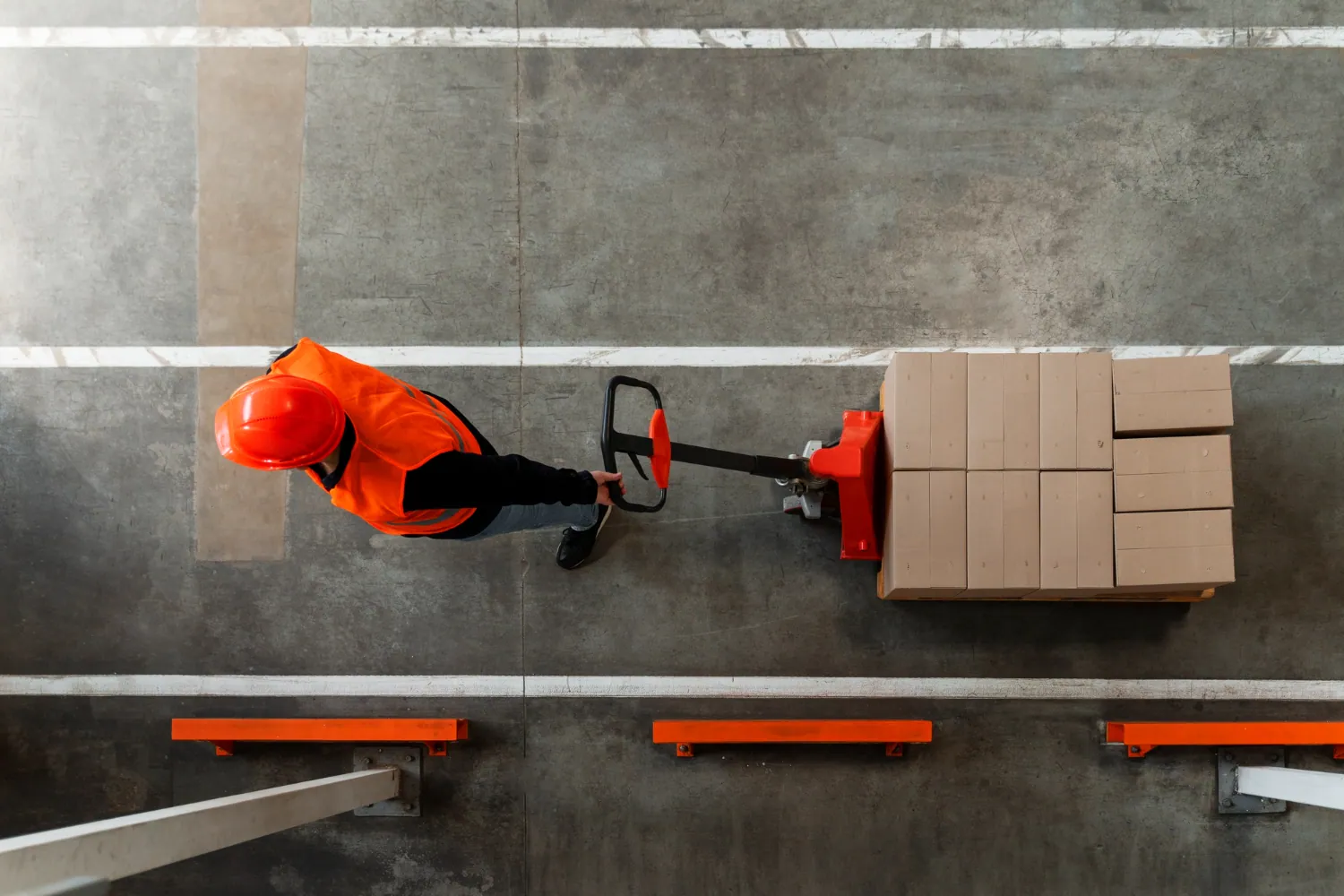
The transport process refers to a complex set of activities aimed at moving goods from point A to point B. It is a key element of the supply chain, affecting the efficiency and competitiveness of businesses. The transport process not only provides the physical movement of goods, but also integrates various logistics activities, such as warehousing, order picking and customs handling – all to ensure on-time delivery from the point of origin to the destination.
The transport process and its importance
Organising the transport process is a key element of the supply chain and is therefore essential for the smooth functioning of various industries and businesses. The transport process enables the physical movement of goods from one place to another, which is necessary to supply shops, production and meet customers’ needs. Effective management of the transport process makes it possible to deliver goods on specified dates, which keeps the entire supply chain running smoothly.
Optimising the transport process reduces transport costs by selecting the most economical means of transport and routes, while effective transport planning, organisation of carriage and shipment monitoring make the transport process more efficient, which translates into savings in time and resources.
What’s more, an efficient transport process is an important factor in strengthening a company’s competitiveness, ensuring fast and reliable deliveries and thus helping to win and retain customer loyalty.
Elements of the transport process
The transport process consists of many elements, including:
- route planning and selection of optimal means of transport,
- organising the carriage of goods within a specified time,
- managing transport documentation,
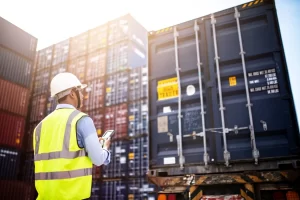
- monitoring shipments and ensuring their security,
- coordinating activities between the various parties involved in the process.
Stages of the transport process
The transport process consists of several key stages. The phases of the transport process include:
- Choosing a carrier and placing the transport order – defining the type of cargo, the transport date and the places of collection and delivery.
- Transport planning – choosing the optimal route and the right means of transport, taking into account factors such as distance, delivery time and costs.
- Preparing the cargo – packing the load and completing the necessary documentation.
- Organising the transport process – carrying the goods in accordance with the agreed transport plan.
- Monitoring and control – tracking the transport in real time and ensuring its security and compliance with the schedule.
- Delivery and unloading – delivering the goods to the destination and confirming receipt.
- Service quality assessment – assessing the quality of the service is crucial to ensuring customer satisfaction and the continuous improvement of the transport company’s operations.
Who is responsible for the transport process?
The transport process is a key element of every company’s supply chain. Proper transport management can have a huge impact on the efficiency and profitability of the business. The key figure in the transport process is the freight forwarder, who is responsible for coordinating and supervising the entire carriage – accepting the order, choosing the carrier, preparing the documentation and the delivery schedule. In short – they monitor every stage of the process to ensure high-quality service and a rapid response to any problems.
The transport process with Kontur Polska
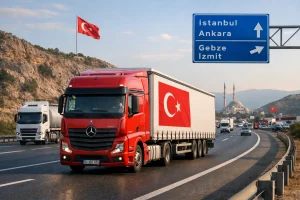
By choosing Kontur Polska as your partner in the transport process, you can be sure of a comprehensive service and a professional approach at every stage of carriage. Our many years of experience and advanced logistics infrastructure mean that we ensure on-time and safe delivery of goods abroad – to Turkey, Bulgaria and Greece. This lets you focus on your core business, confident that the transport of your goods is in the best hands.
Transport planning – summary
Transport planning is a key element of effective logistics, enabling optimal use of resources and minimising costs. Through proper route planning, selection of optimal means of transport and effective management of the transport process, companies can ensure the smoothness and efficiency of their supply chains, which contributes to greater competitiveness and the satisfaction of business partners.