What is multimodal transport
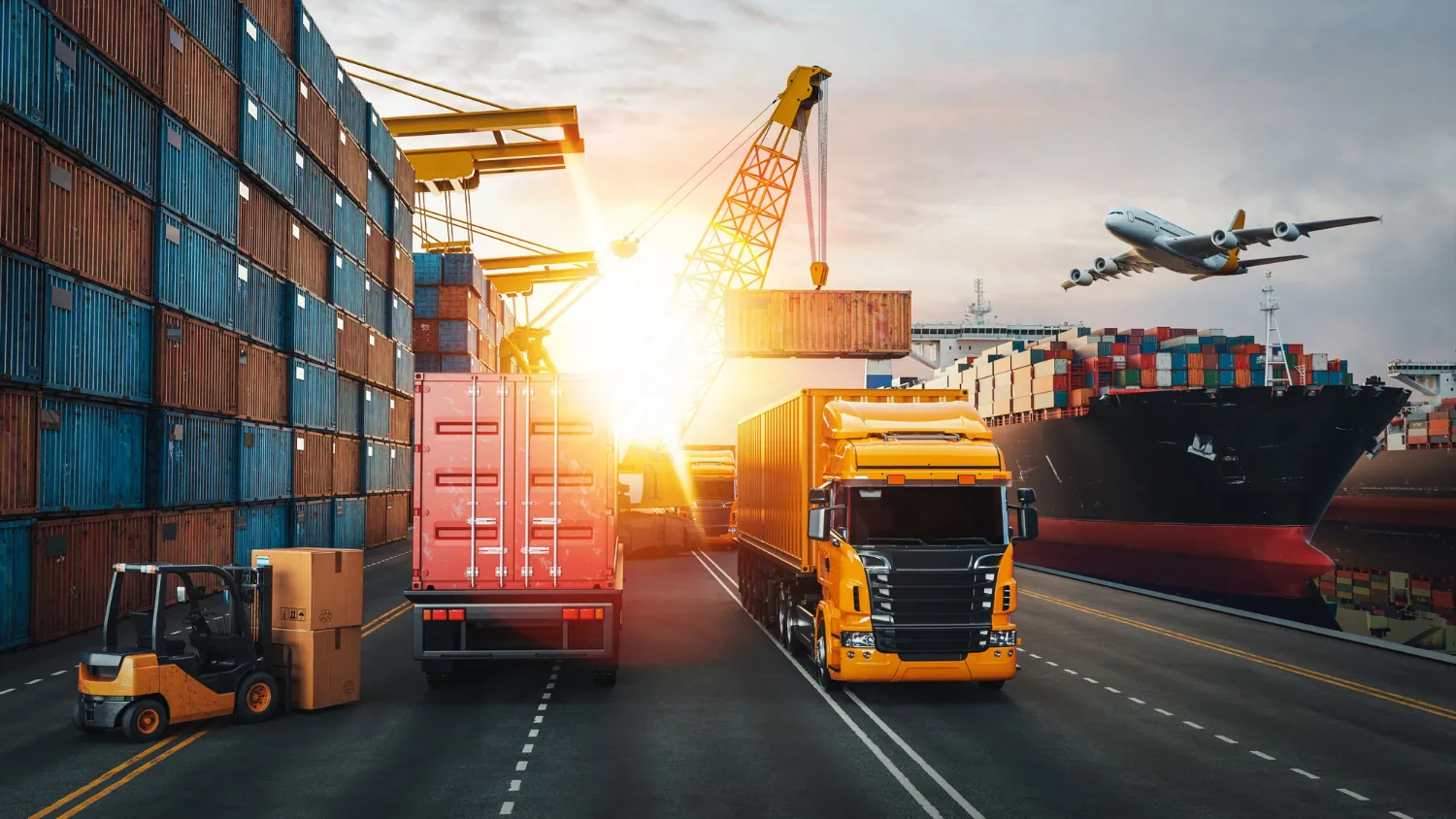
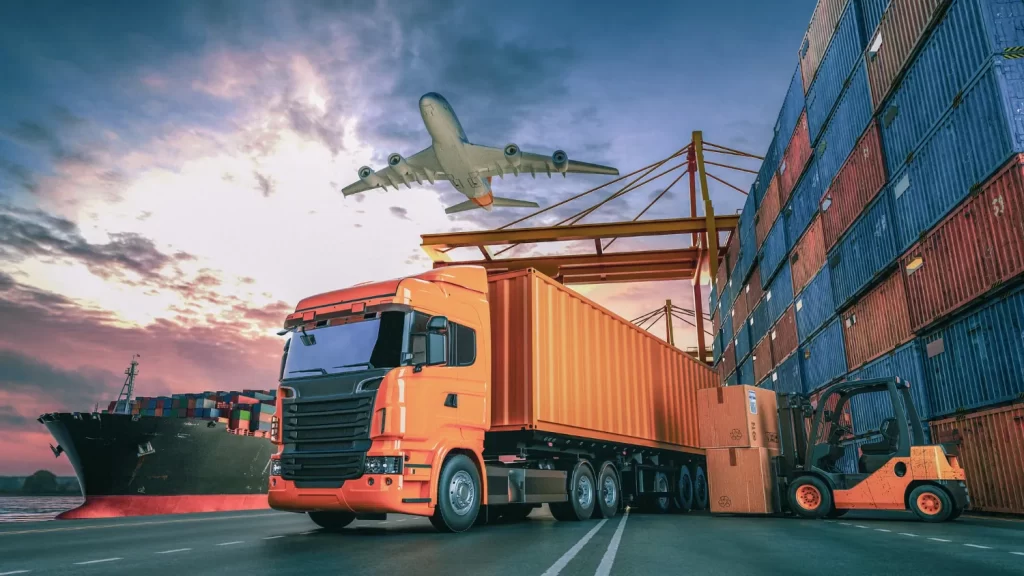
Multimodal transport is a form of transport using at least two modes of transport (road, rail, sea, air) within a single supply chain to carry a load from the point of origin to the destination. In this form of transport, goods can be carried by different means of transport depending on the specifics of the cargo, distance, costs and the carriers’ preferences. During multimodal transport it is possible to change the transport unit before the load reaches its destination. This means that by choosing multimodal transport we have the option of repacking the goods, e.g. from a container onto pallets. In this case the entire transport of goods is based on a single contract and a single transport document.
Examples of innovative solutions within multimodal transport:
- road-air carriage
- road-rail carriage
- road-sea carriage
- rail-sea carriage
- rail-road carriage
- road-rail-inland waterway carriage
- road-rail-air carriage
- road-rail-sea carriage
The Convention on International Multimodal Transport of Goods
Under the CMR Convention, international multimodal transport is defined as the transport of goods using at least two different modes of transport from a country where the goods were taken in charge by the multimodal transport operator to a designated place of destination in another country. The role of multimodal transport operator can be performed by a forwarder, a logistics provider or a carrier.
Multimodal transport – characteristics
Using multimodal transport in a company’s day-to-day logistics brings many benefits. Thanks to the effectiveness of this type of transport it is possible to optimise the supply chain, which translates into lower logistics costs and greater flexibility in transport.
Multimodal transport allows the most efficient means of transport to be chosen for a specific route, which makes it possible to achieve optimal results with minimal outlay. It is also an excellent solution for companies that want to increase the efficiency of their logistics operations and be more competitive on the market.
What are the main characteristics of multimodal transport?
- streamlining the product’s journey from the manufacturer to the destination,
- simplification of customs procedures,
- faster supply chains,
- lower transport costs,
- higher quality of service,
- a greater number of possible transport options,
- fewer accidents and a lower risk of damage to goods,
- greater competitiveness of the business on the market,
- one of the most environmentally friendly types of transport.
By combining different types of transport you can expect greater efficiency, flexibility and optimisation of costs and delivery times, thanks to the advantages of the individual means of transport, such as road, rail, water and air. Every transport plan differs depending on the specifics of the cargo carried and the logistics conditions.
Multimodal transport – legal regulations
Global supply chains are structured in such a way that in practice it is almost impossible to carry goods in an optimised way using only one mode of transport. This is why legal regulations were created to facilitate the carriage of loads.
The most important document for multimodal transport is the FBL – the Negotiable FIATA Multimodal Transport Bill of Lading, developed in the 1990s. The document sets out the conditions of transport of the goods and any penalties for late delivery or damage to the goods during transport.
International law on multimodal transport is established by:
- the United Nations Economic Commission for Europe,
- the European Commission,
- the European Parliament,
- the European Conference of Ministers of Transport.
Multimodal vs intermodal transport
Both multimodal and intermodal transport involve the use of at least two different modes of transport. The main difference between them is that multimodal transport allows the transport unit to be changed during the carriage of goods – e.g. switching from a container to pallets. Intermodal transport, on the other hand, involves carrying goods in the same loading unit throughout – e.g. transport takes place exclusively in a container, which is carried on the given means of transport.
The challenges of multimodal transport
When choosing multimodal transport, businesses face a variety of challenges, such as the integration of transport systems, effective risk management and the need to work with different logistics operators. The integration of transport systems is a key element of the effective functioning of any type of transport, but it requires the harmonisation of different technologies and standards, which can be difficult for companies operating in the logistics industry.
Risk management in multimodal transport is essential due to the complexity of the process and the many potential hazards. Businesses must take appropriate measures to minimise risk and ensure the safety of the goods transported.
Cooperation between different logistics operators is also fundamental. It is necessary to build trust and a common language of communication between all parties involved, in order to ensure a smooth flow of goods and information throughout the supply chain.
Efficient transport to Turkey, Greece and Bulgaria
Multimodal transport is a solution that works perfectly in international supply chains, including transport to countries such as Turkey, Greece and Bulgaria. By integrating different modes of transport – road, rail, sea or air – goods can be delivered quickly and efficiently to these strategic locations. Transport to Turkey, Greece or Bulgaria allows costs to be optimised, delivery times shortened and flexibility increased in choosing the most advantageous means of transport.
When organising transport to these countries, we offer a comprehensive logistics service covering the entire process, including smooth passage through customs procedures. If you are looking for efficient transport solutions to Turkey, Greece or Bulgaria, get in touch – we will be happy to help organise transport tailored to your needs.