TSL – what is it
The abbreviation TSL refers to the three main areas of activity involved in moving goods – transport, forwarding (spedycja) and logistics. Together they form a comprehensive system that is essential for moving goods from point A to point B.
What the TSL sector covers
Transport, forwarding and logistics are the three basic areas of activity that make up the TSL industry. These three sections form a comprehensive system that enables effective supply chain management, ensuring that goods are moved efficiently and in line with customer requirements.
TRANSPORT
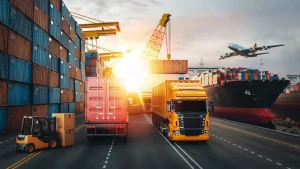
Transport is a very important element of the TSL industry, covering activities related to moving shipments using various means of transport. Several types of transport can be distinguished – e.g. land transport (such as road transport), as well as air and sea transport. Transport, as an integral part of TSL services, has a significant impact on various sectors of the economy and determines their development.
FORWARDING
Forwarding is the activity of organising and coordinating the carriage of goods. Companies specialising in forwarding services play a key role in the TSL sector, providing comprehensive organisational support for transport processes. Their main task is the precise planning of all stages of transport, including selecting the right goods and means of transport and optimising transit time. The priority is to find the most effective and economical delivery solutions. Forwarding involves planning the shipment’s route, choosing the optimal means of transport, obtaining the necessary documents and monitoring the carriage. Its aim is to ensure the smooth and trouble-free movement of goods from the point of origin to the destination, taking care of punctuality and the efficiency of the transport process.
LOGISTICS
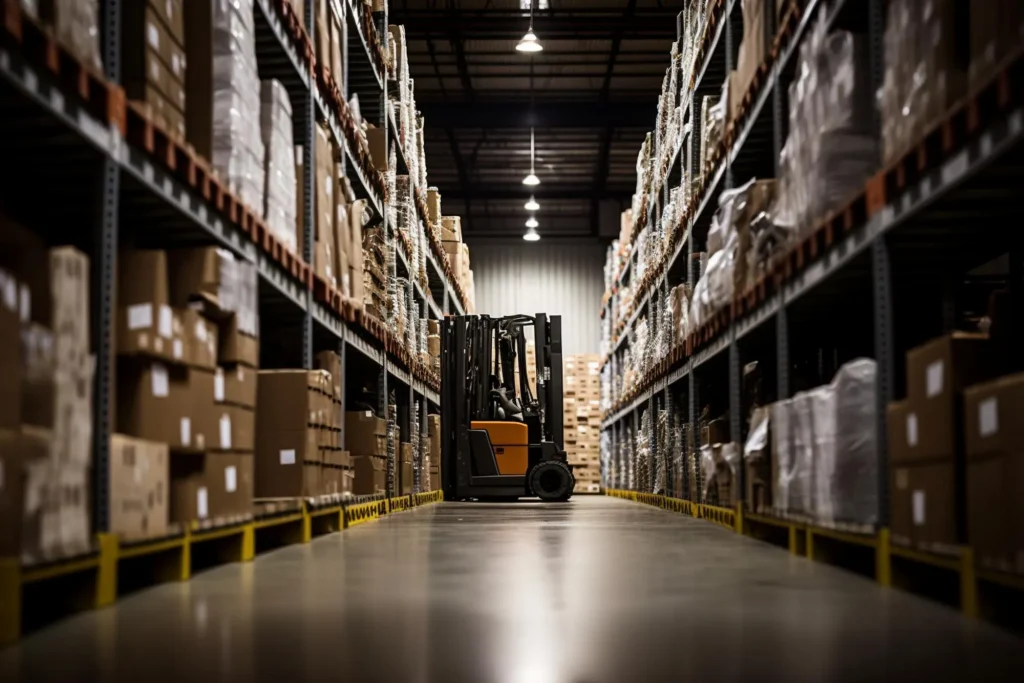
Logistics operators are responsible for a range of activities that go far beyond the traditional roles of forwarders or carriers. Logistics covers comprehensive activities related to planning and managing the supply chain in an integrated and systematic way. Its main aim is to optimise all stages of the production, procurement and distribution process. Logistics sets specific goals for the flow of raw materials, materials and finished products, striving to achieve them efficiently and on time in line with the established plan. All these activities are closely interrelated and require precise coordination.
Services in the TSL industry
The TSL industry offers a variety of services, including:
- domestic and international transport,
- international freight forwarding,
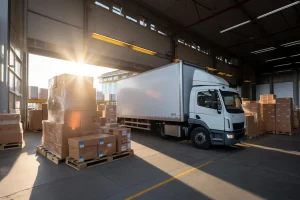
- warehousing and distribution,
- customs and forwarding services,
- insurance services.
The TSL industry in Poland
The TSL industry plays an important role in our country, which is a strategic point on the map of European logistics. Access to the sea and a strategic location on the transport routes linking eastern and western Europe make Poland an attractive investment location for global companies. The dynamic development of TSL forces companies to adapt new operating strategies, taking into account the significant impact of new technologies, digitalisation of the supply chain, globalisation and process automation.
The most important TSL customers in Poland are trading companies – both retail and wholesale. Industrial sectors such as food, electronics and automotive are equally important. TSL operators strive to achieve maximum efficiency in the services they provide, ensure customer satisfaction, comply with environmental principles, adapt to changing market conditions and ensure operational safety.
Legal regulations in the TSL industry
Transport-related activity is governed by a range of legal acts at national, European and international level. These regulations define, among other things:
- the rules for taking up and pursuing the occupation of carrier,
- the conditions required to work in the TSL sector,
- the rights and obligations of carriers,
- the scope of liability of parties for the carriage of goods,
- limits on drivers’ working time.
One of the key acts of international law is the Convention on the Contract for the International Carriage of Goods by Road – known as CMR. This Convention applies to the commercial carriage of goods between different countries, provided that at least one of them is a party to the Convention. CMR introduces the concept of the consignment note as the main document in international transport. It also defines the carrier’s liability for damage, loss of cargo and delays in delivery.
Who uses the TSL industry most often?
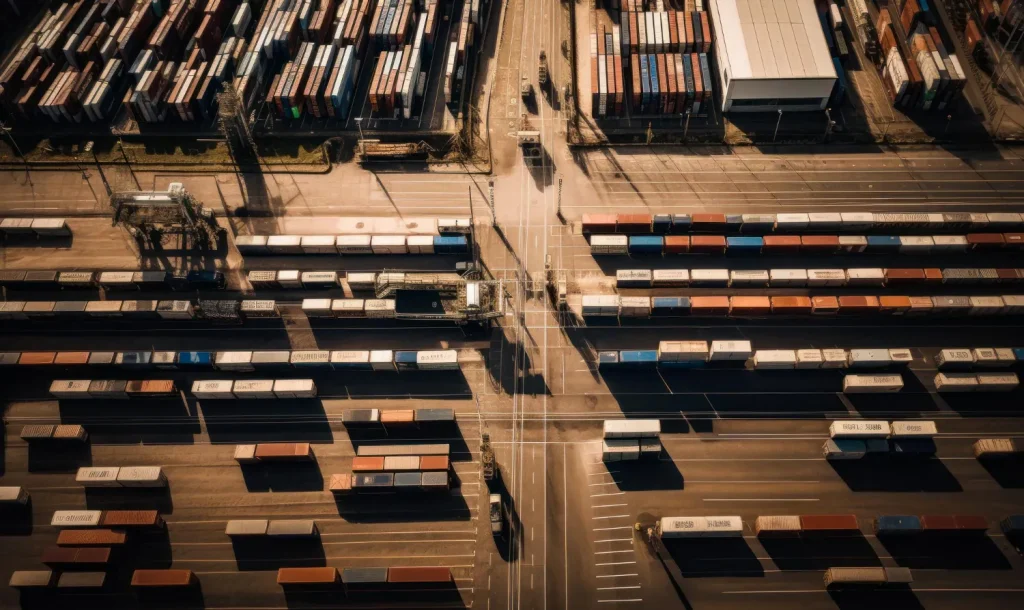
The main customers of the TSL industry are large companies from various sectors of the economy, including manufacturing, the food and pharmaceutical sectors and e-commerce. Companies operating on a large scale, often internationally, look for comprehensive transport and logistics solutions to ensure a smooth flow of goods, shorten order lead times, reduce operating costs and increase their competitiveness on the market.
Benefits of using TSL services
The TSL industry plays a key role in the modern economy, enabling the efficient exchange of goods at local, national and international scale. Its main benefits include:
- optimisation of transport and logistics costs, i.e. lower costs,
- shorter delivery times for goods,
- greater efficiency of logistics operations,
- easier supply chain management,
- better tracking of cargo transport both at home and around the world,
- greater competitiveness on the market.
The TSL industry also includes rapidly developing international transport, including transport Turkey, which is growing in importance as trade between Poland and Turkey increases. Thanks to our comprehensive transport services, we ensure efficient and on-time deliveries not only to Turkey, but also to other countries such as Greece and Bulgaria.
Interested in working with us? Looking for comprehensive, professional logistics? Get in touch and find out more.